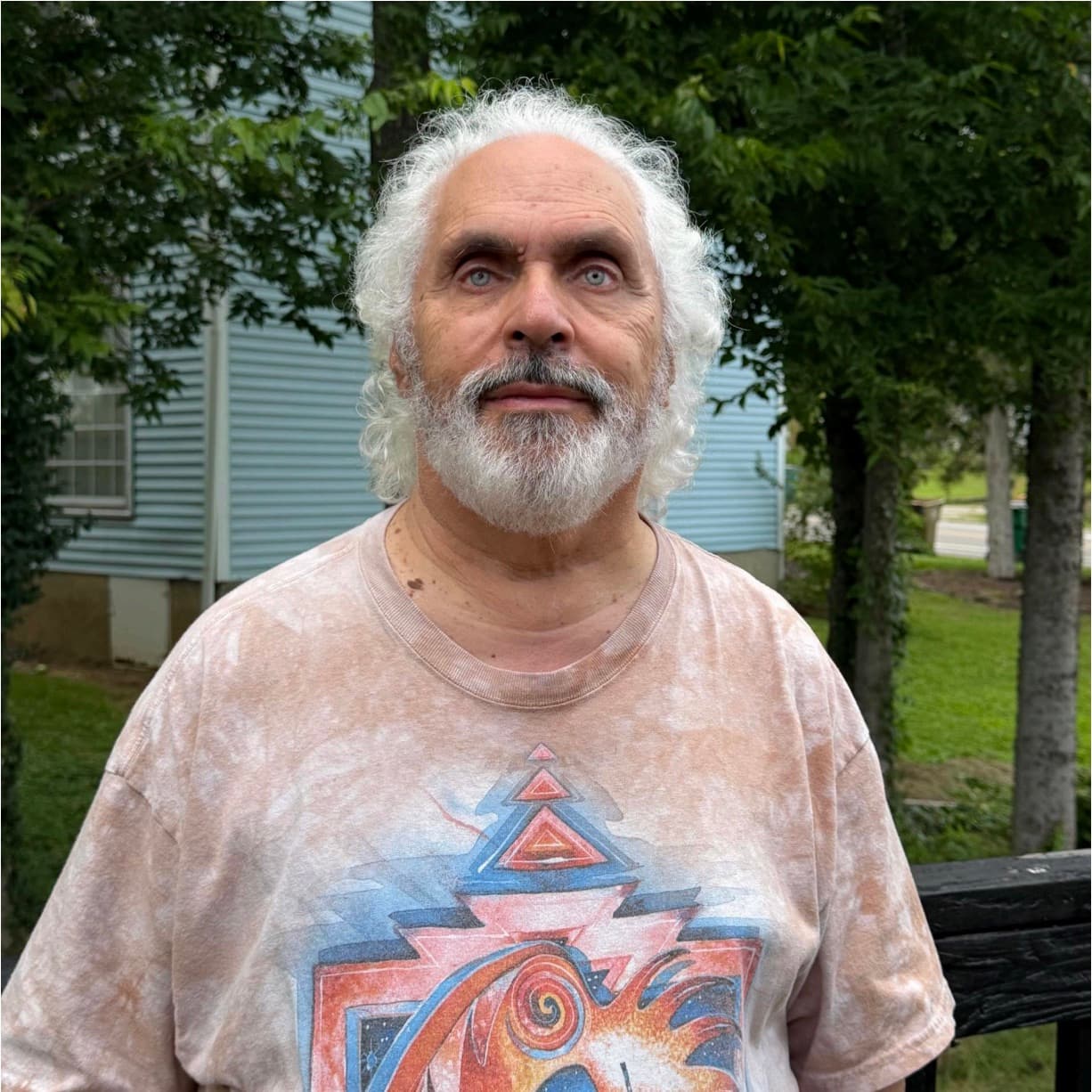
About Ross
Ross Winetsky has spent most of his life making music and helping other musicians find the sound they were reaching for. He began as a working musician, playing guitar in bands in San Francisco in the 1960s as a supporting act for Janis Joplin, the Grateful Dead, Jefferson Airplane and the Steve Miller Band, to mention a few.
Ross owned and operated the legendary Bear West Studios, where he served as the primary producer and worked with artists and songwriters across rock, blues, folk, jazz and roots music.
One of the projects closest to his heart was Jon Sholle’s album, Catfish for Supper, on Rounder Records. This album brought together an exceptional group of musicians, including Pee Wee Ellis, David Grisman, Béla Fleck and Rob Wasserman.
Ross also worked with Taj Mahal, Peter Tork of The Monkees and Nicky Hopkins.
Bear West itself welcomed an unusually wide range of artists. As studio manager, Ross supported sessions for artists such as Pam Tillis, the Grateful Dead, Pharoah Sanders and Chris Isaak, helping provide an environment in which musicians could work comfortably, communicate clearly and create their best performances.
During the 1980s, Ross also taught recording at San Francisco State University, sharing the practical side of studio work while encouraging students to listen beyond the equipment.
After losing his vision later in life, he adapted the way he works while bringing the same experience, judgment and creative focus to every project.
Ross has toured in Tennessee, California and the Southwest as a singer/songwriter under the stage name Wine-Sky.
After moving to Nashville in the 2000s, he continued recording and developing artists and other songwriters, including Clay McClinton.
Ross approaches production as a musician, listening carefully, recognizing what is distinctive and helping translate what is in the artist’s heart into a recording that feels honest, alive and complete.
That may mean producing a full album, shaping a smaller collection of songs or helping one song come into focus. The size of the project matters less than the truth of the music.
The technology has changed over the years, but for Ross, the heart of making recordings is commitment to performances, trust in the room and knowing when the music has arrived.